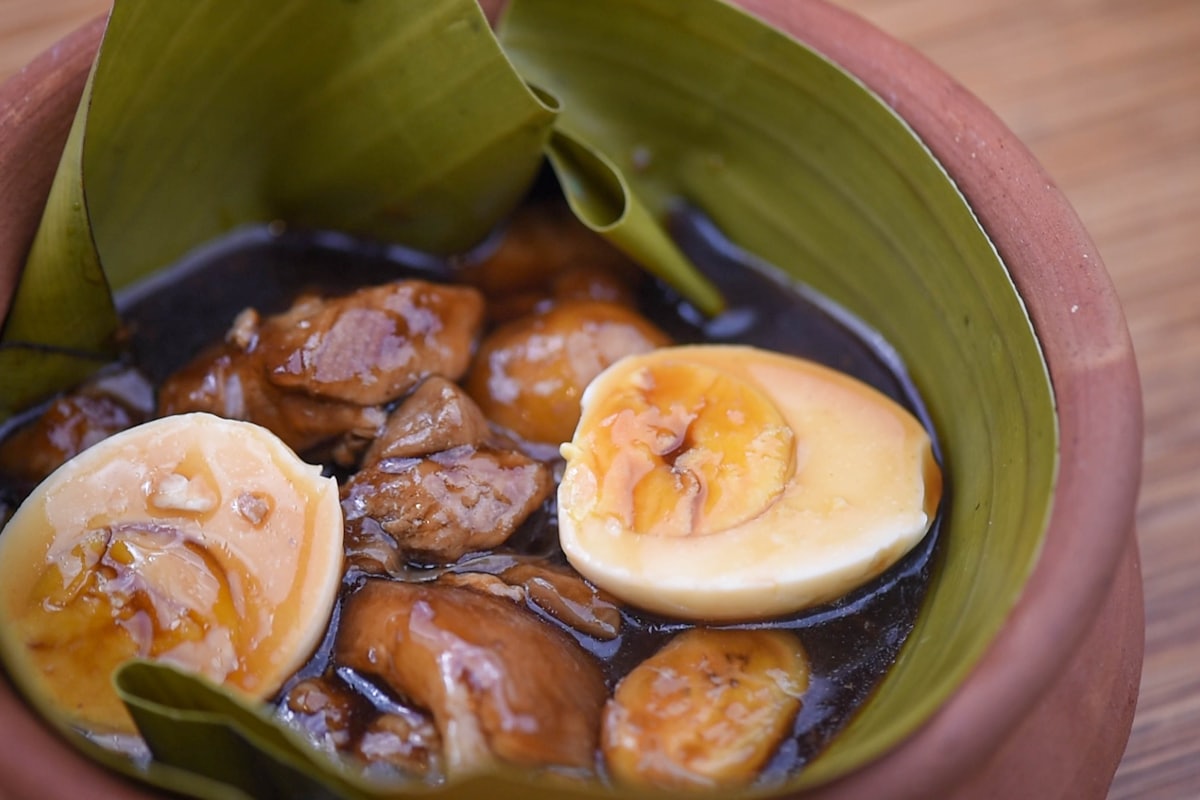
 Chicken
Chicken Adobo (Pork-Free Adobong Manok)
The all-chicken take on the Philippine national dish. Bone-in chicken braised in vinegar, soy sauce, garlic, bay, and peppercorns until the sauce turns dark and glossy. No pork, no shortcuts.
Pork-free · Halal-friendly · Independent
Ayoko ng Baboy is an independent, free recipe site for pork-free Filipino home cooking, rebuilding classics like adobo, sinigang, and kaldereta with chicken, beef, or seafood and naming every swap it makes.
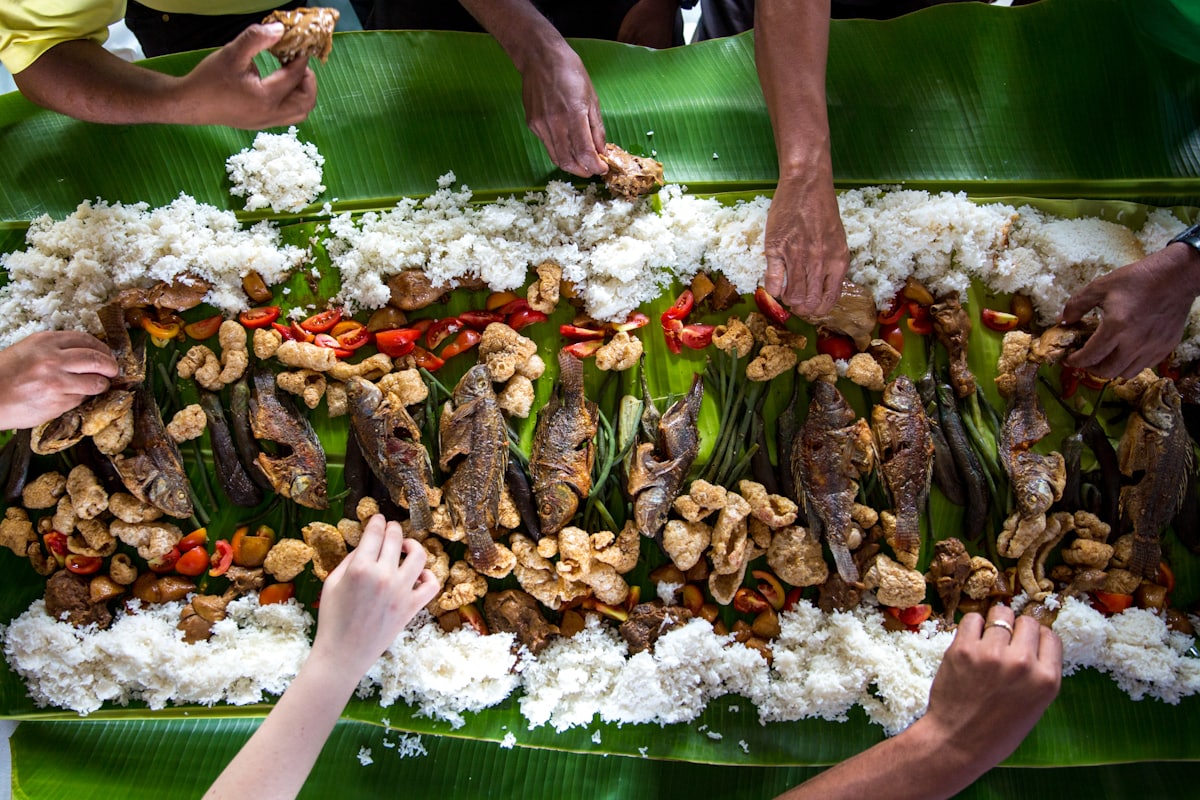
Filipino cooking spreads far beyond pork. Start with the meat or course you are craving, then work through the classics.
One dish from every category, each with a full recipe card you can cook from start to finish.
ChickenThe all-chicken take on the Philippine national dish. Bone-in chicken braised in vinegar, soy sauce, garlic, bay, and peppercorns until the sauce turns dark and glossy. No pork, no shortcuts.
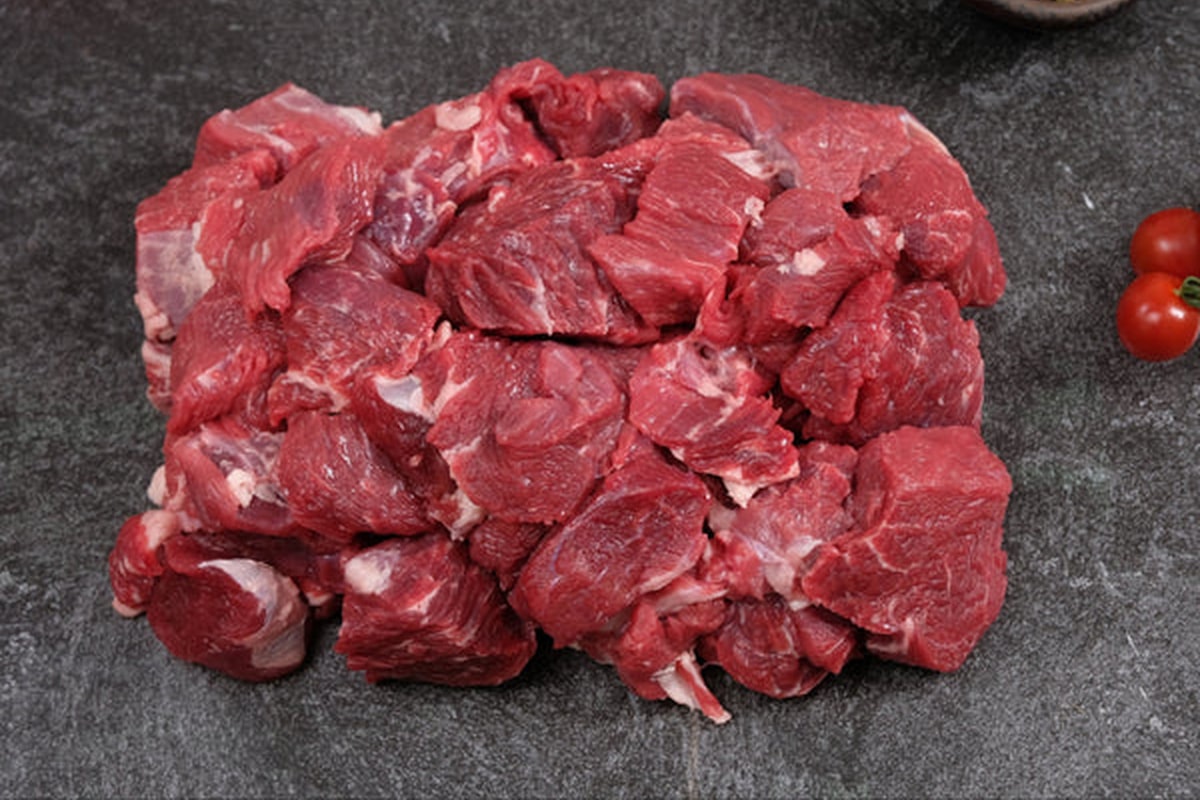 Beef
BeefFork-tender beef slow-braised in a thick tomato and liver sauce with bell peppers, potatoes, carrots, and olives. A fiesta favorite, made pork-free.
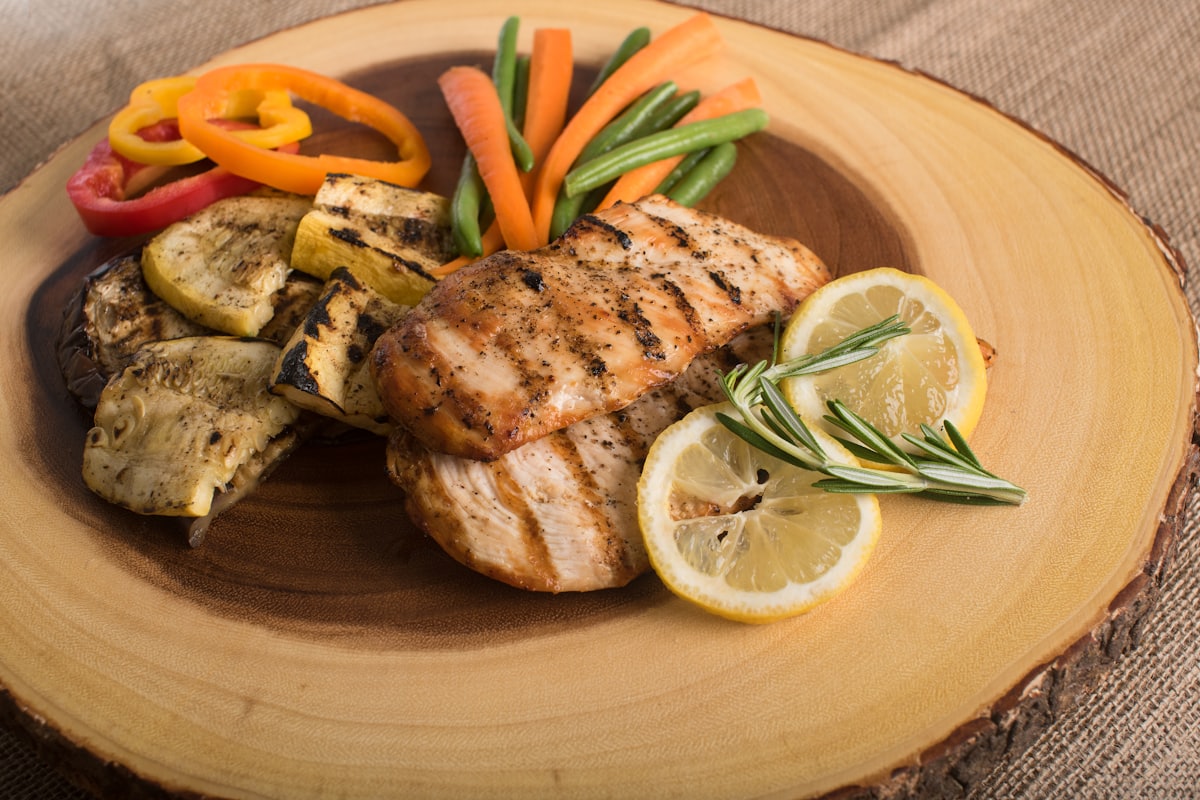 Seafood
Whole fried tilapia or lapu-lapu under a glossy sweet-sour sauce with ginger, bell peppers, and carrots. A naturally pork-free Filipino classic.
 Vegetable
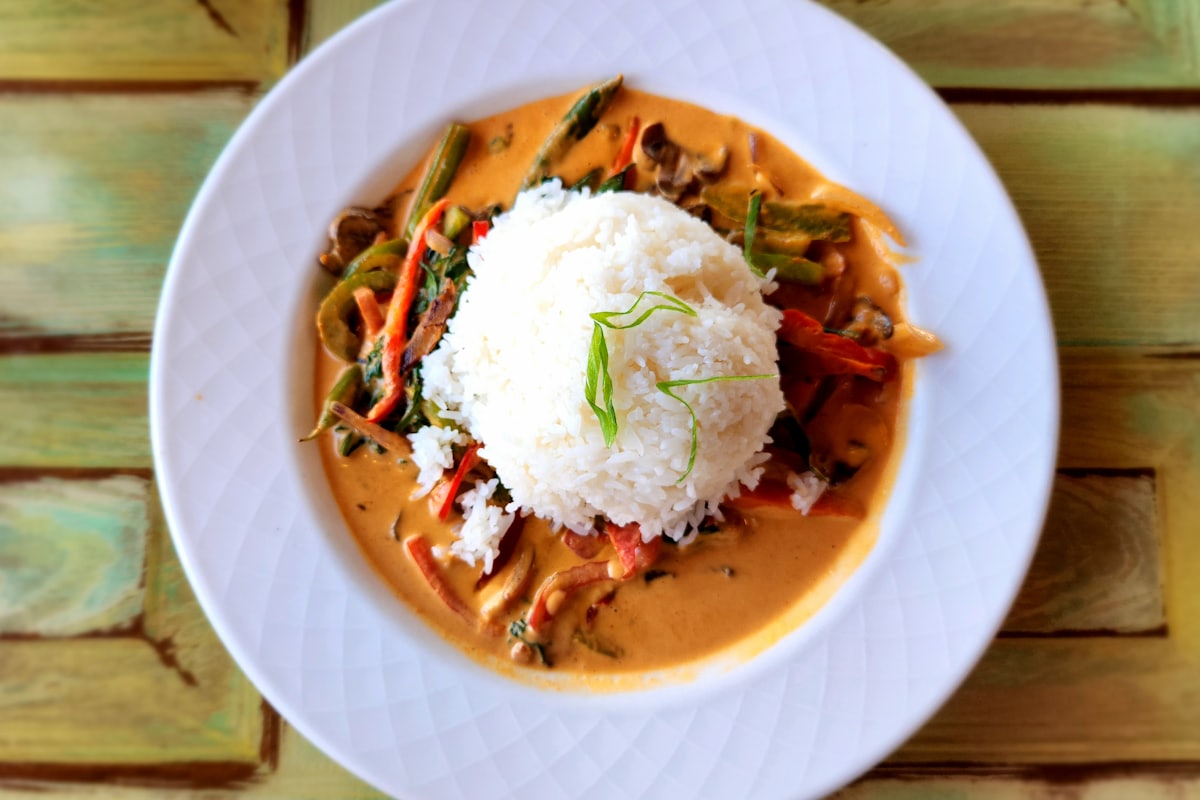
Squash, string beans, and leafy greens simmered in coconut milk with ginger and shrimp. A creamy, naturally pork-free Filipino vegetable dish.
 Rice & Noodles
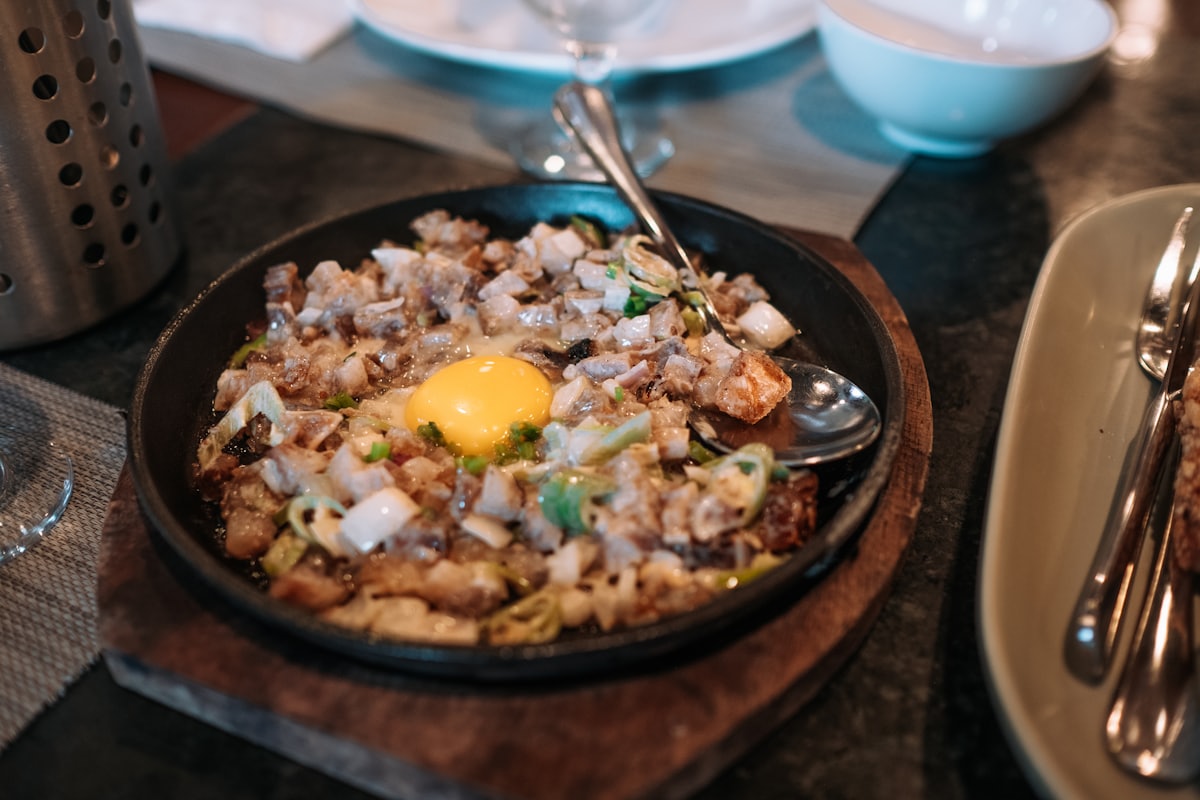
Stir-fried rice vermicelli with chicken, shrimp, and crisp vegetables, seasoned with soy and calamansi. A pork-free take on the fiesta classic.
 Dessert
The silky steamed custard that ends every Filipino fiesta. Egg yolks, condensed milk, and evaporated milk set over a dark caramel, steamed low and slow so it stays smooth with no bubbles.
Filipino food is built on soy and vinegar, coconut milk, sour broths, and patient braising. None of that needs pork. Swap in chicken, beef, or seafood and the dishes still taste like home.
Cooking without pork opens the same recipes to halal kitchens, health-conscious cooks, and anyone who simply prefers to skip it. The pantry guide points out the pork-derived shortcuts worth checking on a label.
No pork, bacon, ham, lard, or pork broth appears in a single recipe here. Where a dish is traditionally pork, the recipe explains the swap instead of hiding it. No nutrition numbers, no star ratings, and no sponsored recipes either. Thekitchen notes set out where the recipes come from, which food safety sources we defer to, how to get a page corrected, andwho writes this.
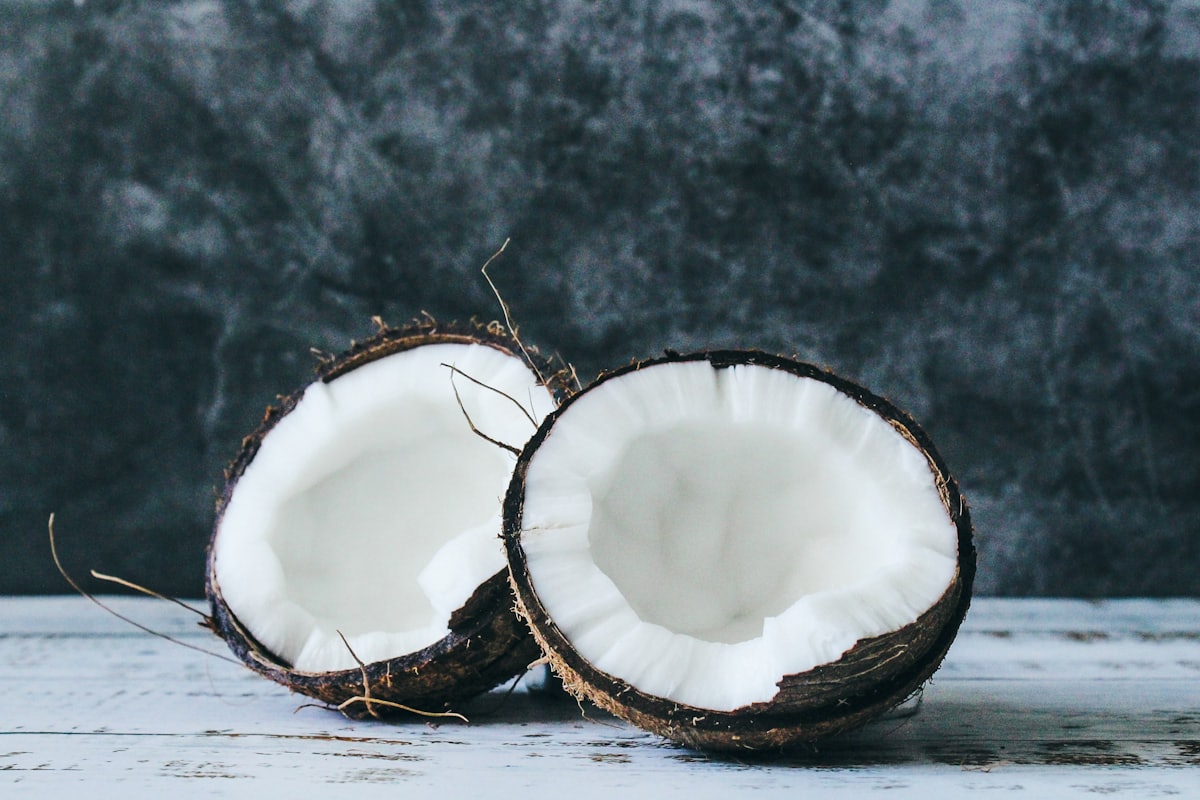
Dish-by-dish substitutions for adobo, sinigang, afritada, and more, plus how to rebuild pork's fat and savoriness.
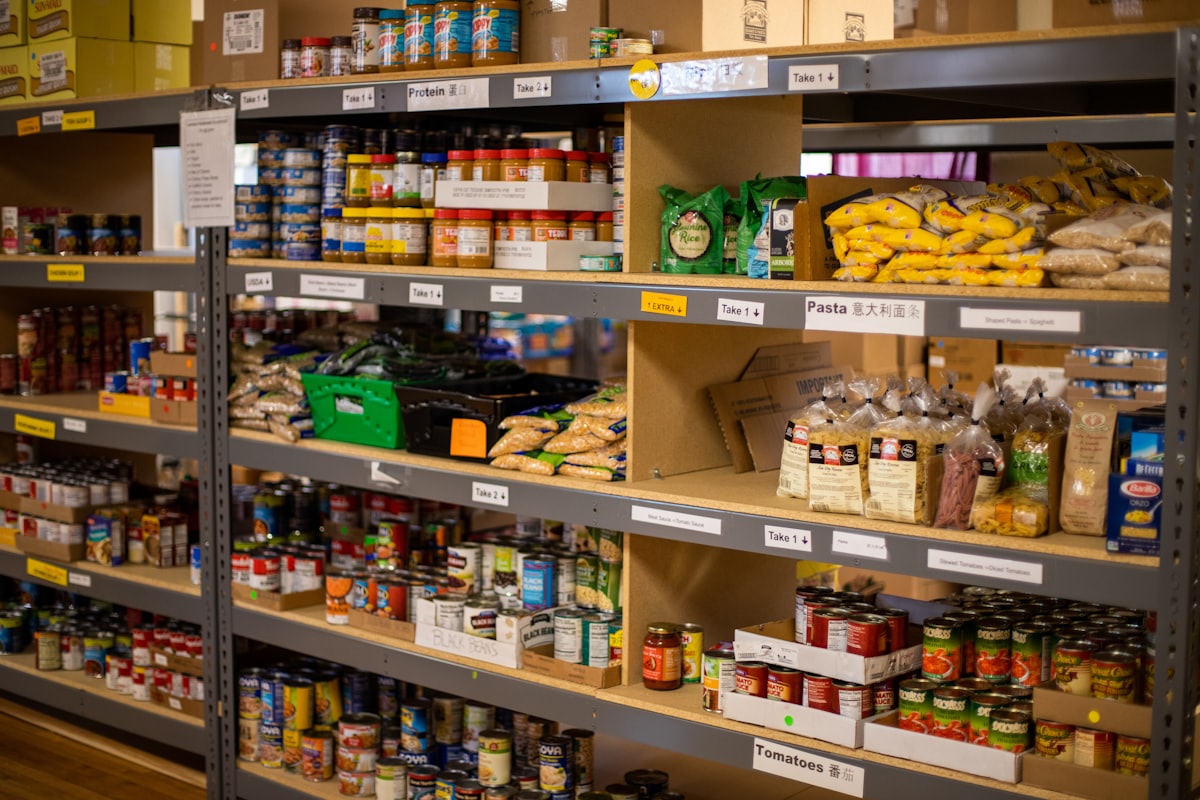
The short starter shelf of sauces, aromatics, and souring agents that unlocks almost every recipe on the site.
Yes. Every recipe on this site is made without pork, bacon, ham, lard, chicharron, or pork broth. Dishes that are usually cooked with pork, like adobo and sinigang, are rebuilt here with chicken, beef, or seafood so the flavor stays Filipino without the pig.
The recipes contain no pork, which is the biggest hurdle for many households. For a fully halal meal, still check your other ingredients and your meat source, since some fish sauce, oyster sauce, and bouillon brands vary. The pantry guide flags the common pork-derived shortcuts to watch for.
Yes. Chicken adobo is a classic in its own right, braised in soy sauce, vinegar, garlic, bay leaf, and peppercorns. Beef and even tofu adobo work too. The technique matters more than the meat, and the recipe card walks through it.
Bone-in chicken, beef chuck, mushrooms, tofu, and seafood each fill in for pork depending on the dish. To rebuild the fat and savoriness, lean on chicken thigh, extra aromatics, and a little more oil. The substitutions guide maps swaps dish by dish.
Most recipes run on soy sauce, vinegar, garlic, onion, and a souring agent like tamarind or calamansi. A can of coconut milk covers the ginataan dishes. The pantry guide lists the short starter shelf that unlocks almost everything here.
They use standard Filipino methods and ingredients, cooked the way home kitchens actually cook them. The only rule is no pork, so where a dish traditionally leans on pork, the recipe explains the swap instead of pretending the pork was never there.